
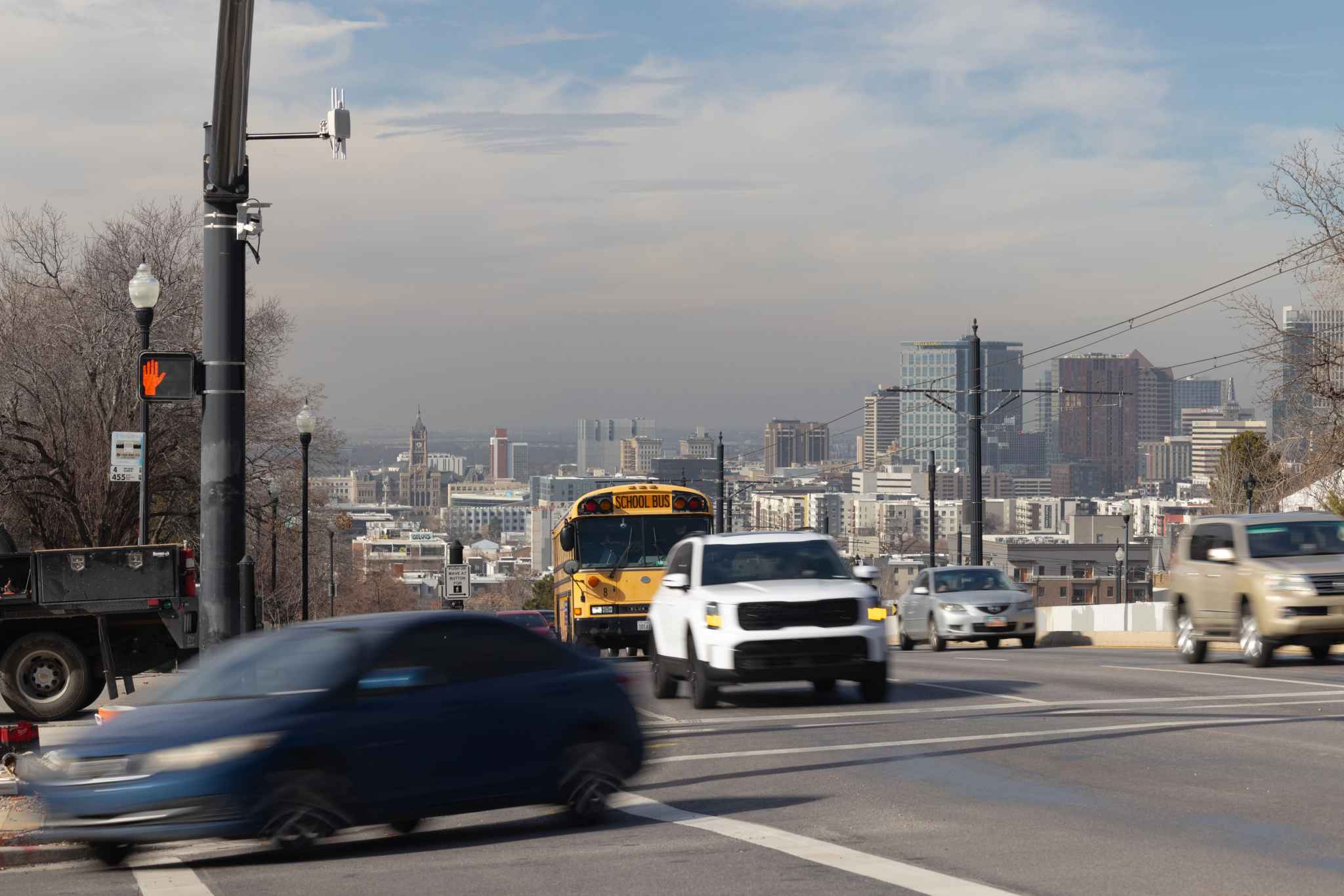
Built to last: Why Ouster BlueCity is a rugged and reliable choice for ITS deployments
Defining a New Era of Durability in ITS. Traditional ITS sensors fail in rain, glare, and snow. Ouster BlueCity uses proven digital lidar to maintain reliable performance at smart intersections 24/7.
In the world of Intelligent Transportation Systems (ITS), performance is everything. When a sensor fails or "goes blind" due to a summer thunderstorm, a winter blizzard, or the blinding glare of a sunset, a smart network can fail with it. Safety alerts stop, signal actuation reverts to inefficient timers, and critical data gaps appear.
Ouster BlueCity is specifically engineered to help bridge the reliability gap. By combining digital lidar with AI-powered perception, it provides a ruggedized solution that helps maintain high-fidelity performance in adverse weather and lighting conditions where traditional sensors often falter.
Proven in the world’s harshest environments
The ruggedness of Ouster sensors isn't just a marketing claim—it is a reality proven in industries where high failure rates are not an option. Ouster digital lidar sensors are actively deployed in environments far more demanding than a typical city intersection or highway with a fixed, stationary installment, including:
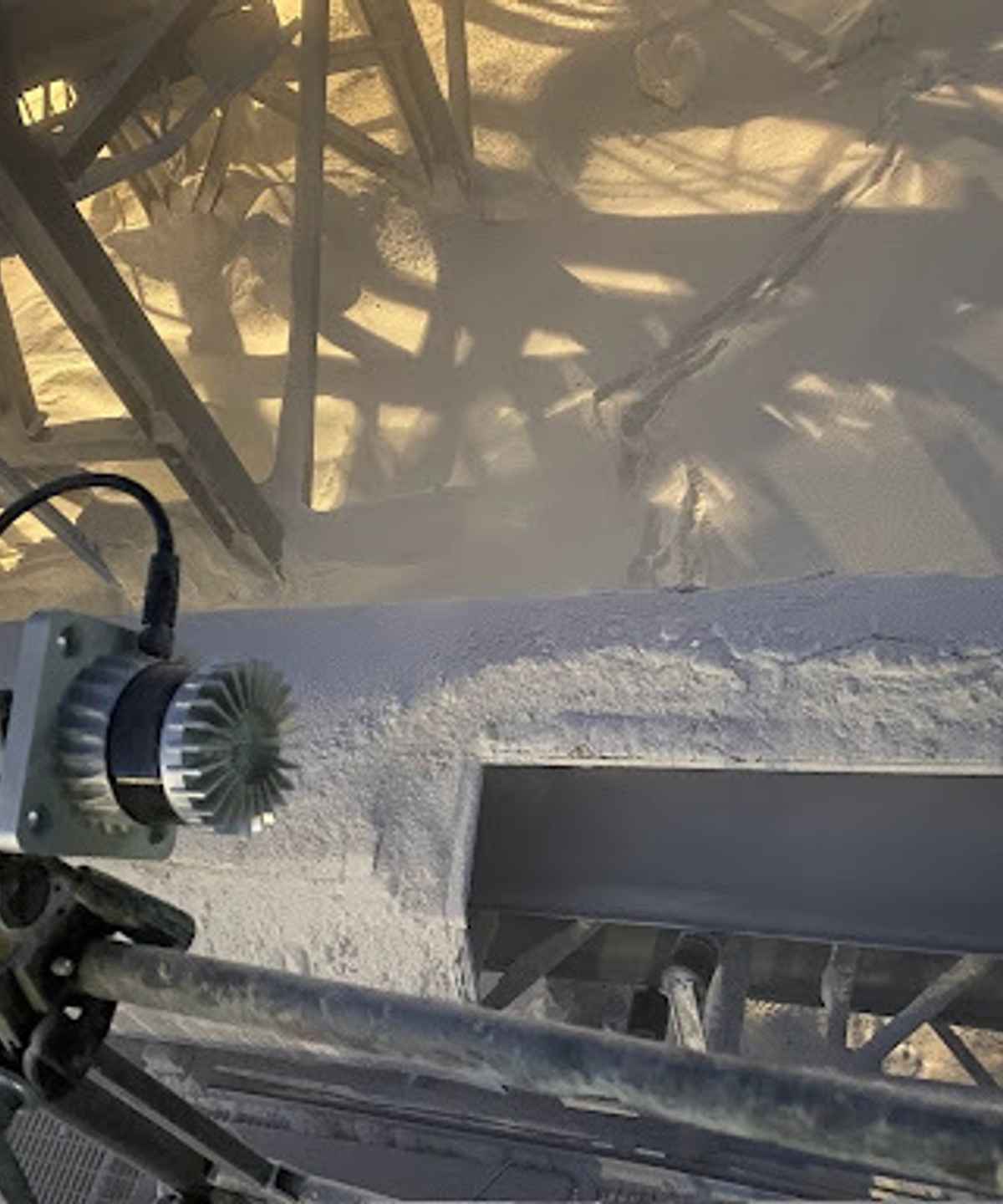
- Deep mining: Operating in total darkness amidst heavy dust and constant high-vibration.
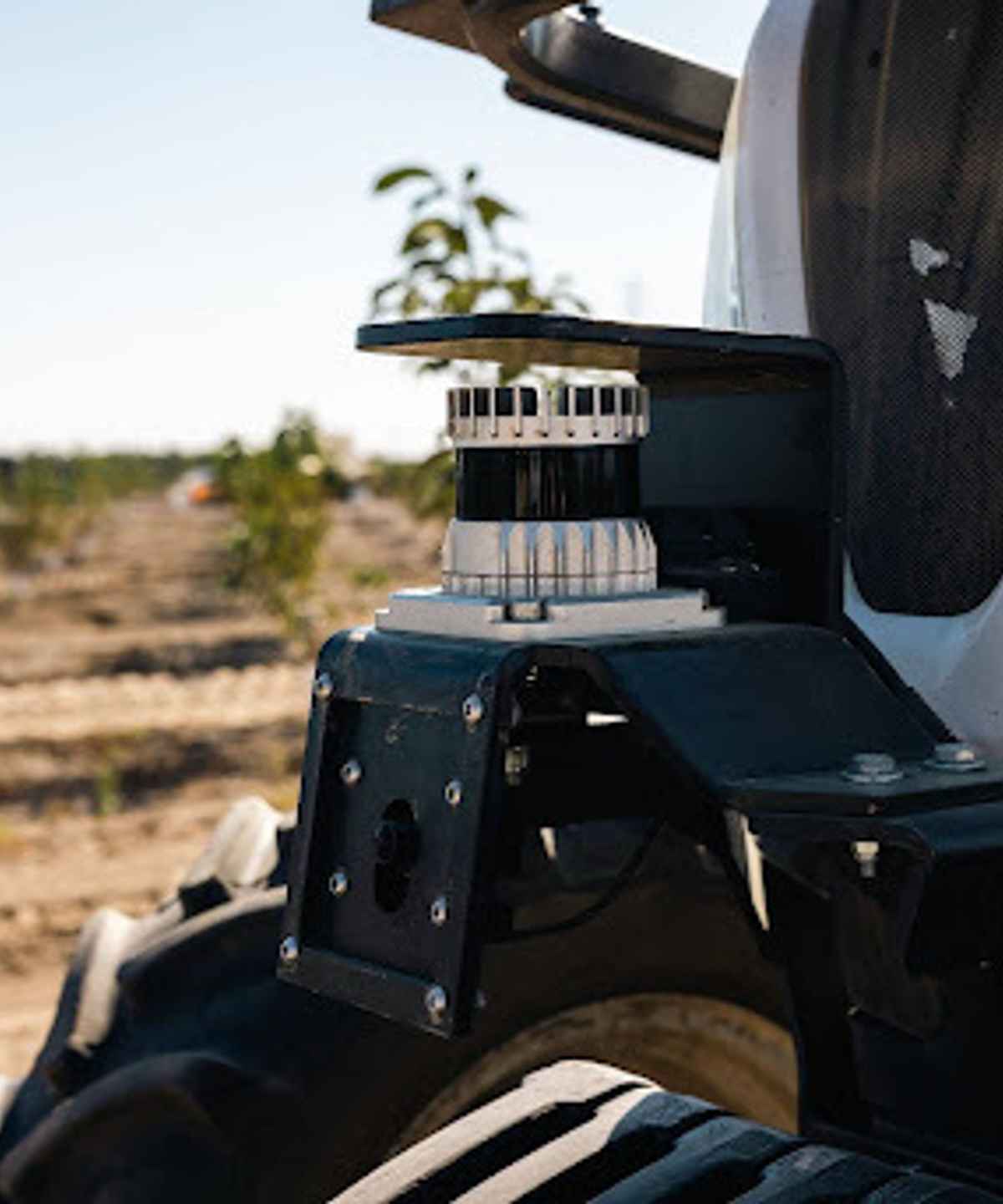
- Industrial agriculture: Navigating thick debris and dust exposure on autonomous tractors.
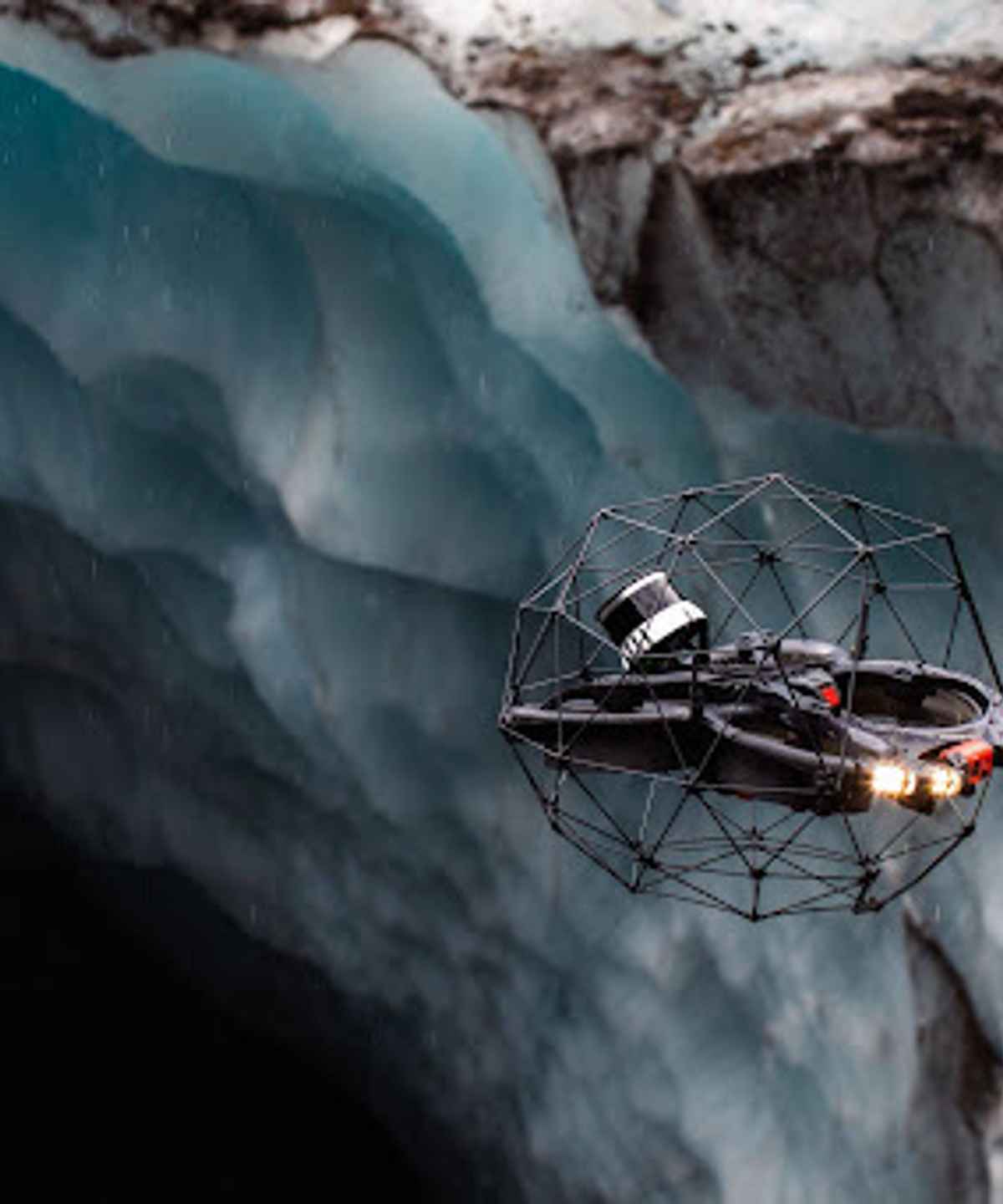
- Drones & robotics: Surviving high-velocity impacts and varied atmospheric pressures.
Ruggedized hardware built for the roadside
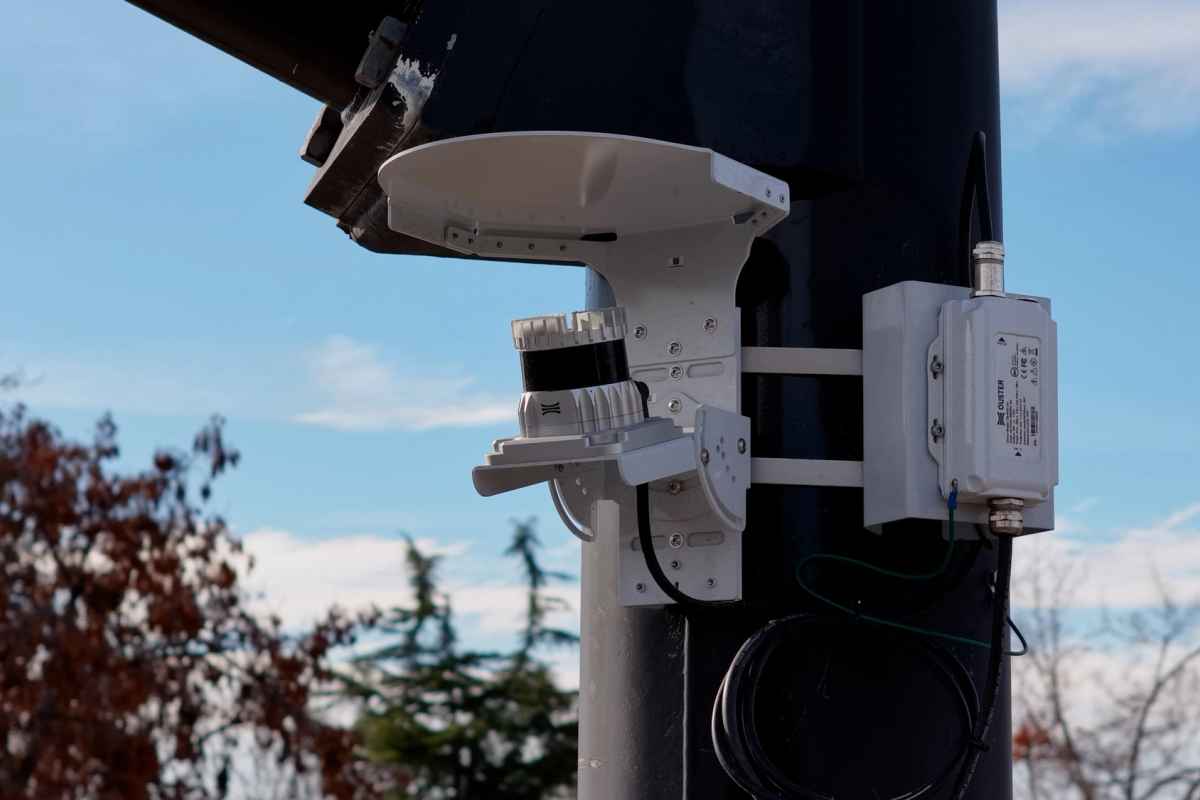
Ouster digital lidar sensors use a simplified digital architecture, which consolidates hundreds of discrete components onto a single custom silicon chip for increased reliability. While Ouster lidar sensors rotate to provide a full 360° field of view advantage, they are fundamentally built on a solid-state digital architecture. Unlike legacy sensors that rely on delicate oscillating mirrors or galvanometers—components prone to failure under the constant vibration of traffic—Ouster integrates all optics and electronics onto a single, ruggedized, rotating assembly. By utilizing contactless data and power interfaces, Ouster has eliminated the need for slip rings—the primary physical failure points in traditional mechanical sensors. This creates a sensor that offers the durability of a solid-state lidar with the massive data-collection advantages of a 360° field of view.
The Ouster OS1 features a 45° vertical FOV, a massive leap over the standard 25° FOV found in some directional lidar sensors. This wide vertical span is essential for:
- Superior occlusion mitigation: The wide vertical angle allows the sensor to "see" over and around heavy vehicles (like transit buses or freight trucks), ensuring that pedestrians and smaller road users remain visible even in dense traffic
- Blind spot reduction: By capturing more data closer to the pole, Ouster BlueCity minimizes the "dead zones" that often plague sensors with narrower vertical windows
- Resilient coverage: Even in the event of an impact (such as a truck striking the mounting pole), the expansive FOV prevents dangerous blind spots ensuring that a single point of failure doesn't result in a total system blackout
- Redundancy: Each sensor provides overlapping, comprehensive coverage, for simultaneous, and reliable detection of all road users
Built for the real world, Ouster’s robust architectures are subjected to rigorous environmental testing. To ensure reliability in the harshest of outdoor conditions, sensors undergo extreme thermal cycle and aggressive mechanical vibration profiles, typical of the conditions faced by heavy machinery and highway infrastructure.
Designed and tested for excellence:
- Shock & vibration: Engineered to withstand shock and vibration for varied use cases
- IP68 & IP69K rated: Full ingress protection against dust, high-pressure water jets, and total immersion up to 1m
- NDAA compliant and Blue UAS certified: Ouster’s OS sensors are compliant with the National Defense Authorization Act (NDAA) and the OS1 sensor is the first 3D digital lidar with a Blue UAS certification by the U.S. Department of Defense
- Cybersecurity: Ouster takes meaningful steps to safeguard customer information, is ISO 27001 certified, and is committed to the security and responsible use of its products
Unlike cameras, which require frequent lens cleaning and recalibration, the Ouster BlueCity solution is designed to be a low maintenance deployment on roadways with i) infrequent cleaning, ii) no calibration, iii) easy install and iv) seamless firmware and perception software upgrades.
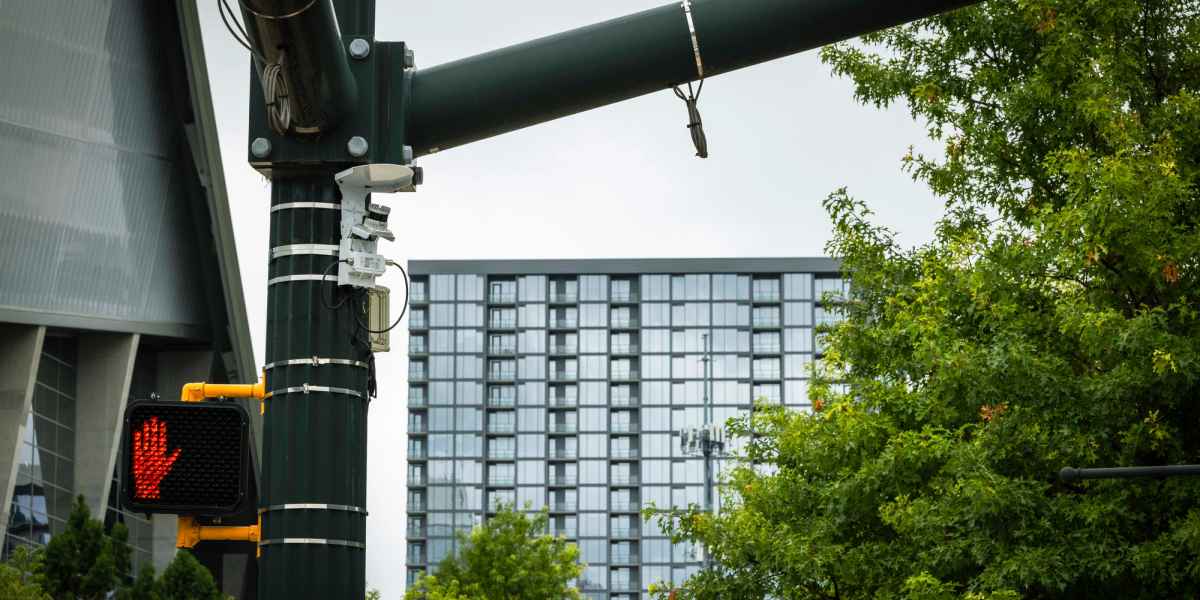
Ouster BlueCity deployment with GDOT
Ouster sensor performance: Mean Time to Failure (MTTF)
Ouster’s REV7 OS sensors are engineered for operational longevity, targeting an average MTTF >250,000 hours, which equates to approximately 28.54 years. At Ouster, MTTF is calculated using several different stress methodologies depending on the customer application. For ITS detection systems, the Telcordia SR332 Issue 4 is utilized because it draws from real failure data of Telecom systems. Field failure data from Ouster OS sensors are also analyzed to provide field failure rates.
Ouster’s REV7 OS sensors underwent meticulous design and qualification validation prior to volume production, thus ensuring resilience against real-world varied environmental conditions. Furthermore, every production sensor is subjected to a rigorous end-of-line manufacturing test and calibration regime. This comprehensive testing ensures that when integrated into the traffic controller or ATMS, the sensors have repeatable, high levels of performance that minimize maintenance costs and help ensure system continuity.
Lidar sensor reliability in varied environmental conditions
Legacy ITS technologies, particularly cameras, rely on external light. Ouster BlueCity relies on digital lidar, which creates its own light source and allows it to see at all times of day. Having a continuous stream of high-fidelity data is paramount for vulnerable road user (VRU) safety, dynamic traffic signal actuation, reliable alerts and accurate analytics.
Ouster sensors performance across varied environmental conditions
1. Defeating sun glare and deep shadows
- The problem: During the "golden hour," sun glare can affect camera sensors, creating dangerous blind spots. Conversely, deep shadows under overpasses can cause software to "lose" pedestrians and cyclists.
- The Ouster BlueCity advantage: Lidar is generally immune to lighting extremes. It measures distance and shape using laser pulses, meaning a pedestrian in a deep shadow or a car driving into the sun is detected with precision.
2. Performance in snow, rain, and fog
- The problem: Raindrops and snow distort lenses, and fog scatters light, causing accurate detection challenges with optical sensors. In addition, snow buildup can also cover road markings. All of this may cause video analytics to fail.
- The Ouster BlueCity advantage: Ouster sensors filter out "noise" from raindrops or snowflakes and focus on the solid objects behind them. Whether it’s a Canadian blizzard or a Singapore downpour, the digital twin remains clear and actionable.
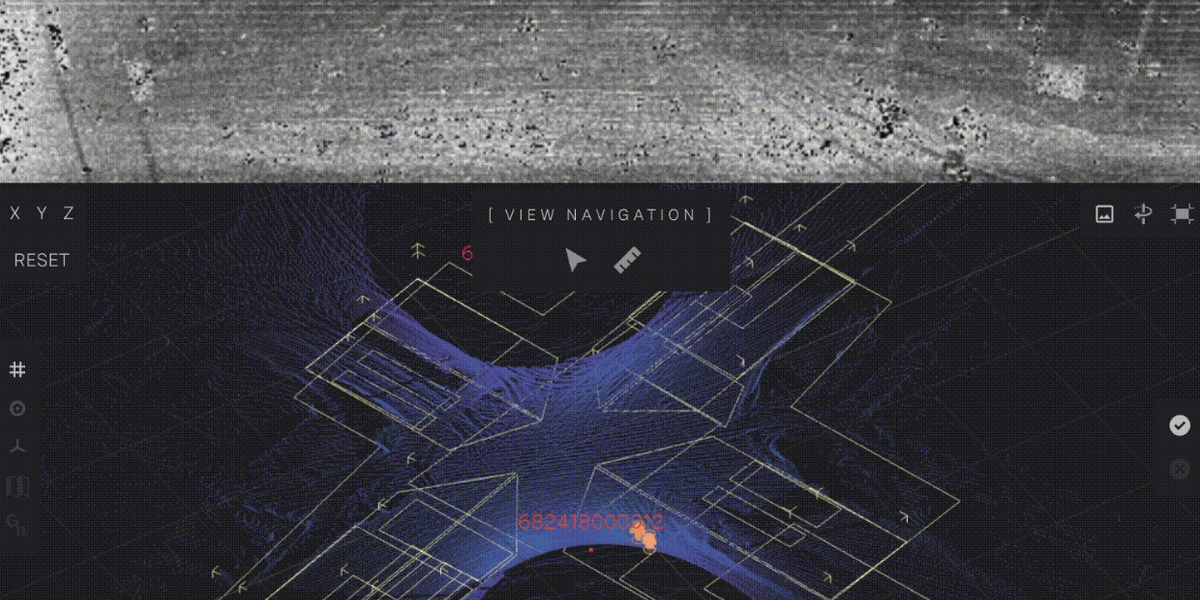
Pedestrians in a snowstorm
For the three approaches that utilize in-pavement loop detection systems that are not impacted by fog conditions, the Lidar detection system count data is nearly identical, representing high system accuracy during this fog event.
Alliant EngineeringMNDOT Traffic Signal Lidar Detection Implementation and Evaluation
Storm Fern, January 2026
Some of our Ouster BlueCity deployments were hit by Winter Storm Fern and didn’t skip a beat. Instead, our deployments generated recordings that showcase the power of Ouster BlueCity - cars and pedestrians were detected and tracked during the peak of the snowstorm.
You can see the black/white camera view on top with the 3D output of our lidar sensors on the bottom. Despite the blizzard conditions, our deep learning AI models maintained accurate detection, classification, and tracking of multimodal road users at the intersection, keeping traffic signal actuation, alerts and analytics active when road users were most vulnerable.
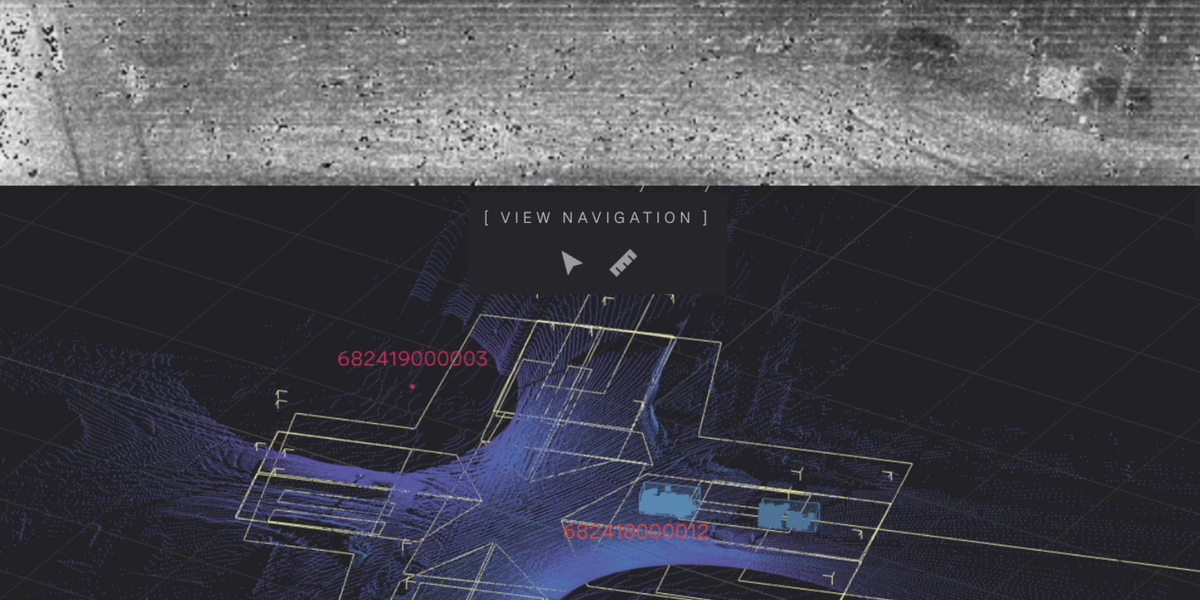
Ouster BlueCity view of an intersection during Storm Fern, 2026
During the 2026 North American Winter Storm Fern, one of our partner cities confirmed that Ouster BlueCity was the only detection system to remain fully operational. Despite the extreme conditions, the system continued to accurately detect multimodal road users, ensuring traffic signals and safety protocols remained active. This resilience proves the unmatched power of 3D digital lidar, and we are proud to be a key distributor bringing this level of reliability to ITS infrastructure.
Aaron LengyelExecutive Director at Fortran Traffic Systems
Intelligence at the edge: AI-Powered software trained for the real world
While rugged hardware is the body of the system, Ouster BlueCity’s proprietary perception software is its brain. Reliability in ITS isn't just about the sensor staying powered on; it’s about the software delivering continuous accurate and actionable data.
At the core of Ouster BlueCity is a deep neural network (DNN) specifically engineered to detect, classify, and track multimodal road users in three dimensions. By moving beyond classic heuristic algorithms and embracing a Physical AI approach, Ouster delivers a system that is more scalable, requires less calibration, and generalizes across diverse urban environments.
1. Lidar-powered AI accuracy
Reliability in AI is a product of its training data. Ouster’s deep learning model is built on a large, high-fidelity foundation:
- Massive dataset: Trained on over 4 million labeled objects to ensure the system can distinguish a cyclist from a pedestrian or car from a trailer, with unmatched precision.
- Site diversity: Data was collected from 800 unique sites, encompassing a vast array of traffic patterns, complex intersections, and environmental conditions.
- Proprietary software & continuous learning: Developed in-house, the model is continuously validated against manually annotated lidar data to ensure the highest standards of classification accuracy.
2. Real-time inference with NVIDIA accelerated computing
Built on NVIDIA’s accelerated computing platform and leveraging the NVIDIA Metropolis ecosystem, Ouster’s Physical AI solutions deliver the high-performance edge processing needed to transform complex lidar data into real-time, low-latency, actionable insights for critical safety alerts and signal actuation.
- Deep Neural Network (DNN): Ouster’s DNN AI model is optimized for high-throughput and low-latency processing, allowing the system to ingest and analyze vast amounts of 3D lidar data in milliseconds.
- Edge processing: Ouster BlueCity’s low-latency edge-processing capability is vital for dynamic traffic signal actuation, and real-time alerts or Vehicle-to-Everything (V2X) communications, where broadcasting immediate environmental hazards to connected vehicles can prevent collisions in real-time. This approach requires fewer computational resources than legacy systems while offering near real-time performance to improve signal timings and congestion, and to protect vulnerable road users.
We were proud to hear from our Connecticut partner agencies that during one of the worst blizzards the state has seen in decades, Ouster BlueCity’s detection performance remained flawless. It’s rewarding to provide a solution that maintains reliability when visibility is at its worst
Giovanni VecchiarinoNew England Traffic Solutions
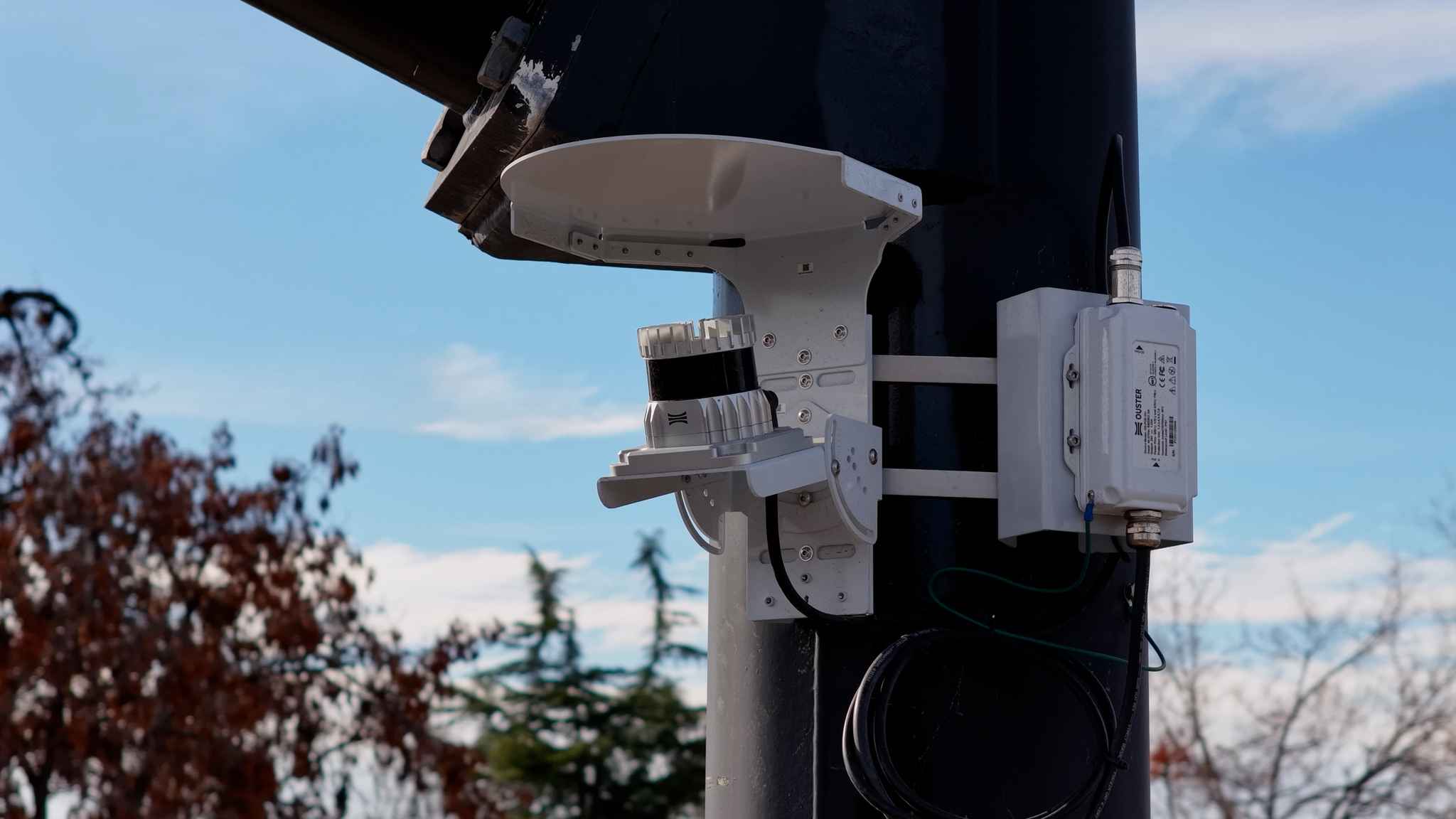
As part of the traffic signal detection project, a Utah Department of Transportation committee assessed six proposed lidar detection systems and determined that five met the minimum requirements. The Ouster BlueCity solution scored the highest overall score for lidar hardware & perception software.
Invest in detection reliability and resiliency
For transit officials and traffic engineers, the choice is clear because a smart city is only as smart as its most vulnerable sensor. By deploying Ouster BlueCity, agencies can move with confidence beyond the pilot phase and into a new era of scale for reliable spatial intelligence. In 2025, Ouster doubled its software-attached bookings and expanded contracted deployments for Ouster BlueCity to ~700 intersections and roadways. Today, Ouster’s AI perception software optimizes over 65 million square feet of roadways and facilities, proving that when resilience meets scale, the future of urban mobility and safety becomes a reality - that growth is a testament to the many benefits of 3D detection and spatial awareness.